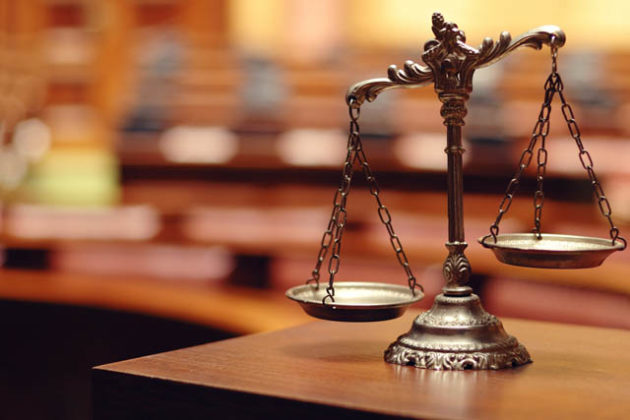
The criminal justice system is one of the most vital pillars of any functional society. It is designed to maintain public order, enforce laws, protect individual rights, and deliver justice to victims while ensuring due process for the accused. However, for many people, the inner workings of this massive infrastructure remain complex and misunderstood.

Rather than being a single, unified entity, the criminal justice system is a network of interconnected agencies, laws, and social institutions working together. To truly understand how justice is administered today, it is essential to examine its core pillars, structural challenges, and the shifting dynamics of modern reform.
1. Law Enforcement: The Frontline of Justice
Law enforcement officers serve as the initial point of contact between citizens and the legal framework. Their primary responsibility is to maintain order, investigate reported crimes, and apprehend individuals suspected of breaking the law.
- The Scope of Duty: Officers respond to